The term coating is used often, but rarely explained clearly. This can cause confusion. Is coating the same as painting? Is a coating always visible? And how does coating differ from impregnation?
For professionals in maintenance, façade technology, property management, construction and public space, this is not a theoretical question. The choice for a coating has a direct impact on protection, appearance, maintenance costs and the service life of a surface.
In this blog, we explain what coating means, how a coating works, which benefits coatings offer, which substrates they are used on and when coating is the smartest choice. Not just loose definitions, but a practical view of what a coating actually does in practice.
What exactly is a coating?
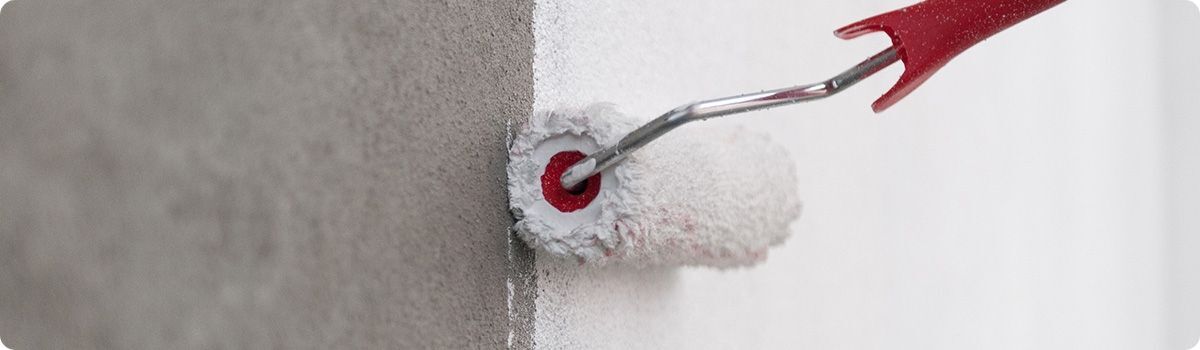
Coating is the application of a protective layer to a surface. This layer forms a barrier between the substrate and external influences. Depending on the application, the layer can protect against moisture, dirt, UV radiation, chemicals, wear or graffiti.
A coating is therefore more than an aesthetic finish. It is a functional system that can improve the performance of a surface.
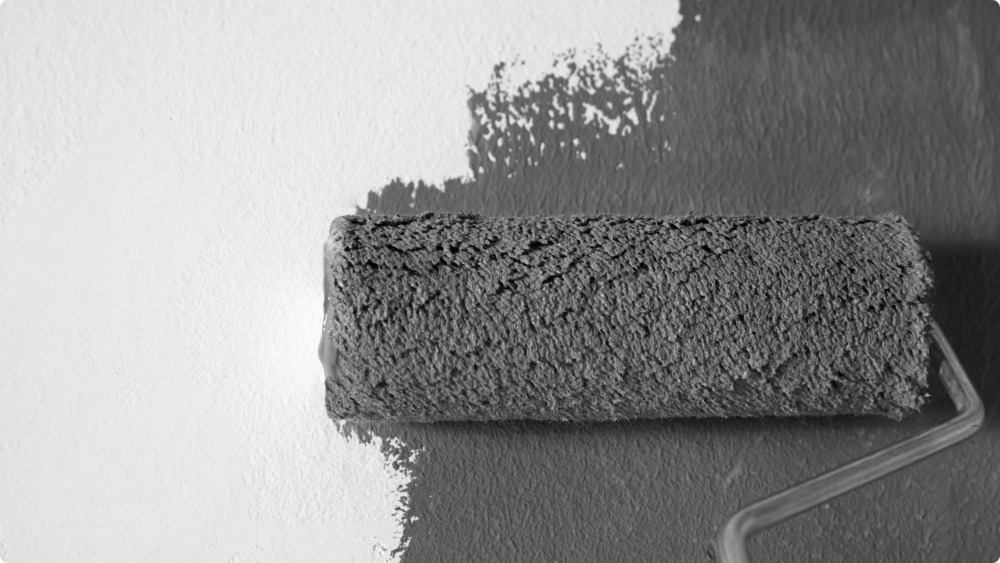
A coating lies on the surface.
That is the key difference compared with impregnation. An impregnating agent penetrates into the substrate, while a coating remains on top of the substrate and forms a layer there.
A coating can have several functions at the same time.
Coating is often chosen when a substrate needs not only protection, but also:
- a different appearance
- colour restoration
- extra dirt repellence
- specific functional properties
How does a coating work?
A coating works by applying a protective film to the surface. This film reduces or prevents direct contact between the substrate and external influences.
Protection against moisture and contamination.
The layer makes it harder for water to penetrate. Dirt also often adheres differently to a coated surface than to an untreated substrate.
Protection against use and load.
In certain applications, a coating also helps protect against wear, UV exposure or chemical influences. This makes coatings suitable for many different uses, especially on substrates that have to withstand heavy conditions.
Influence on appearance.
Some coatings are mainly functional, while others also have an aesthetic role. They can deepen colour, even out the surface or visually renew a substrate.
On which substrates is coating applied?
Coatings are applied to many different substrates and in a wide range of sectors. This makes coating technically interesting, but also more complex than it may seem at first.
Common coating applications include:
- façades
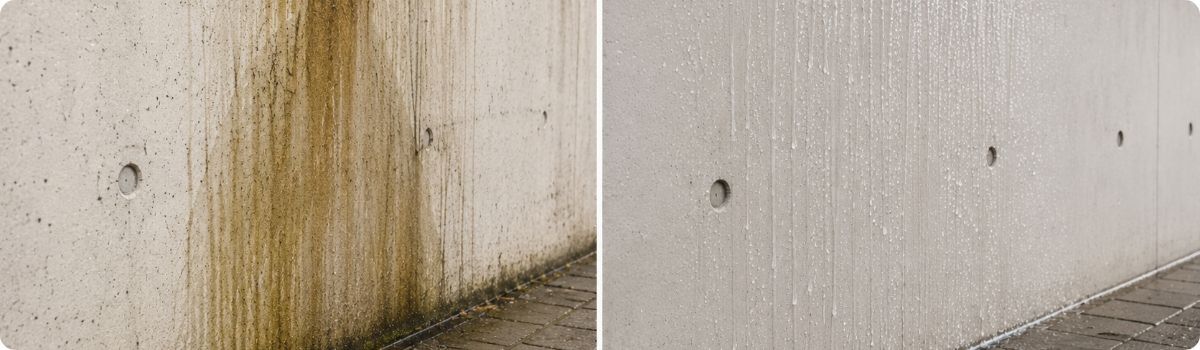
- concrete structures
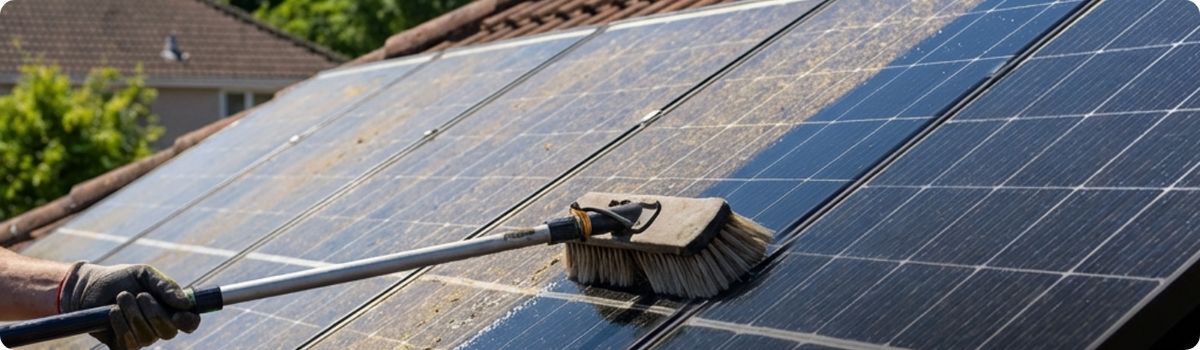
- roof tiles
- infrastructure
- objects in public spaces
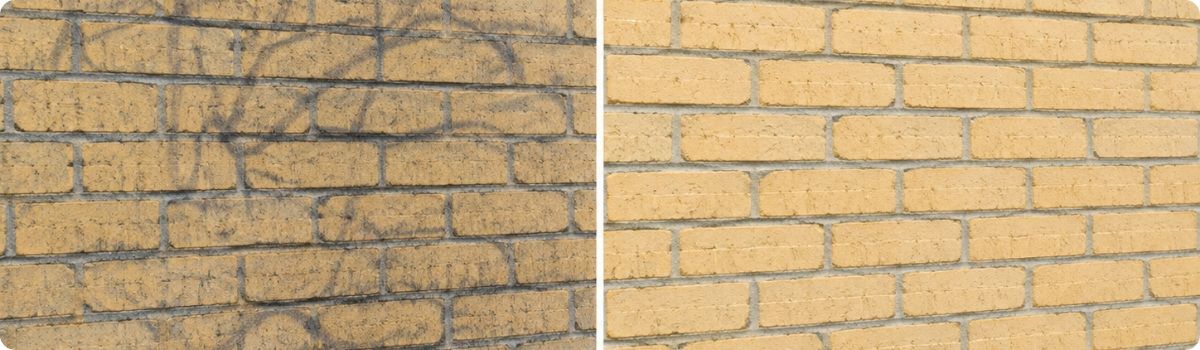
- surfaces with an increased risk of contamination or graffiti
Why use coatings on these surfaces?
Because these substrates often need more than water repellence alone. They need a protective layer that adds performance to the surface.
Coatings are especially relevant in sectors where protection goes beyond simply shielding the surface. Think of property management, municipalities, construction and infrastructure, transport and public spaces. In these sectors, it is often about a combination of durability, appearance, load resistance and manageable maintenance.
What are the benefits of coating?
The benefits of coating depend on the type of coating and the application, but there are several recurring advantages that are relevant in many situations.
1. Strong surface protection
A coating forms a direct barrier between the substrate and the outside world. This can make the substrate more resistant to weather, dirt and other stresses.
2. Longer service life
By protecting the surface, you slow down ageing and wear. This helps postpone maintenance or make it less intensive.
3. Aesthetic restoration or improvement
A coating can also add visual value. This is useful for aged or discoloured surfaces that are still technically sound, but no longer look their best.
4. Functional extras
Some coatings add properties that an untreated surface does not have, such as improved cleanability or anti-graffiti performance.
5. More manageable maintenance
For clients with large surfaces or multiple objects, predictability matters. A well-chosen coating can help plan maintenance better and keep performance more stable.
Which types of coatings are there? Semi-permanent and permanent
Not every coating works in the same way or has the same service life. In practice, a distinction is made between semi-permanent and permanent coatings. This difference determines how often maintenance is needed and how robust the protection is.
Semi-permanent coatings.
A semi-permanent coating provides temporary protection and wears away or disappears through use and cleaning.
This type of coating is often chosen when:
- periodic maintenance is acceptable
- the load is limited
- flexibility is more important than maximum service life
Permanent coatings.
Permanent coatings are developed to remain on the surface for a long time, even under intensive use and cleaning.
These coatings are especially interesting when:
- the load is high
- maintenance costs need to be reduced
- long-term protection is required
Which choice is best?
The right choice depends on use, load and maintenance strategy.
What kinds of coatings are there?
In addition to coating types, there are also different kinds of coatings, each with its own function and application.
Anti-graffiti coatings.
These coatings ensure that graffiti adheres less strongly or can be removed more easily. They are widely used in public spaces, property management and infrastructure.
Nano coatings.
Nano coatings change surface properties on a microscale, making it harder for dirt and water to adhere.
Protective coatings against contamination and load.
These coatings focus on general protection against weather, UV radiation, contamination and wear. They are often used on façades, concrete and roofs.
Aesthetic coatings.
Some coatings combine protection with visual improvement, such as colour restoration or surface levelling.
Choosing the right coating.
The right coating always depends on:
- the substrate
- the load
- the desired result
When should you choose a coating?
Not every surface needs to be coated. But in several situations, coating is a very logical choice.
When impregnation alone is not enough.
Sometimes a substrate needs more than protection against moisture absorption. Think of surfaces that also need visual restoration or are exposed to additional environmental or usage-related load.
When appearance matters.
In property management, commercial buildings, public objects and representative buildings, appearance often plays a major role. In those cases, coating offers more possibilities than impregnation.
When additional protection is required.
With heavier contamination, higher load or recurring maintenance problems, a coating can deliver a better overall result.
What is the difference between coating and painting?
This question comes up often, especially among clients who mainly focus on appearance.
Coating is more functional than finishing alone.
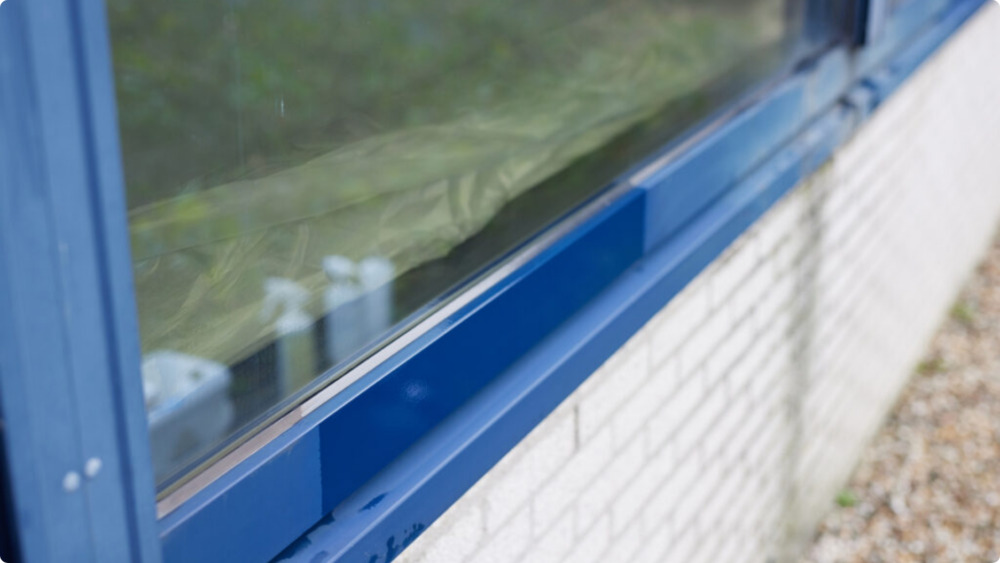
Painting is often seen as mainly aesthetic. A coating usually has a clearer technical protective function. Of course, a coating can also have visual impact, but functional performance is an essential part of the system.
Not every visible layer is automatically a coating.
In practice, terms are sometimes used interchangeably. That is why it is important not only to look at how something appears, but especially at what it needs to do technically.
Coating or impregnation: when is coating better?
The comparison between coating and impregnation is important, because both solutions are used in similar contexts.
Coating is often better when:
- the substrate needs more protection than water repellence alone
- you want to build up a layer on the surface
- colour restoration or visual improvement is required
- the surface is exposed to heavier loads
- you want to add specific properties, such as anti-graffiti protection
Impregnation is often better when:
- the substrate is porous
- the natural appearance must be preserved
- moisture absorption mainly needs to be reduced
- a more subtle, vapour-permeable protection is required
The choice therefore does not depend on what sounds “stronger”, but on what technically fits the substrate and the function.
Common mistakes when coating
Problems with coatings are usually not caused by the idea of coating itself, but by incorrect application or wrong expectations.
Mistake 1: coating without proper substrate assessment
If the substrate is contaminated, unstable, too damp or unsuitable, the result can disappoint.
Mistake 2: using coating as a cosmetic solution for a technical problem
A coating is not a quick fix for every underlying defect. Moisture problems, damage or poor adhesion in the substrate must first be understood.
Mistake 3: expecting zero maintenance
A coating can reduce maintenance, but it does not automatically make a surface maintenance-free.
Mistake 4: confusing coating with impregnation
Using a coating when the real need is vapour-permeable water repellence may be too heavy or technically less suitable.
Why coating is interesting for professional maintenance
For professional users, coating is interesting because it brings technology and maintenance strategy together.
For property management.
Property managers often look at value retention, appearance and manageable maintenance costs. Coating can play both a functional and visual role in this.
For municipalities and public spaces.
Municipalities deal with usage load, appearance, sustainability and sometimes vandalism or graffiti. A coating can help make objects easier to protect and maintain.
For construction and infrastructure.
In construction and infrastructure, the focus is often on robustness, service life and clear systems that work in practice. This matches the straightforward, result-driven approach that matters in this target group.
The role of advice in coatings.
You do not choose a coating based only on a product name or desired appearance. The right choice starts with questions such as:
- what is the substrate?
- what is its current condition?
- what load is involved?
- what should the coating solve functionally?
- what maintenance level is acceptable?
This approach fits well with a way of working that does not avoid the problem, but first looks at the substrate, the load and the cause. From there, you choose the solution that fits best technically and practically.
Coating is the right choice when a surface needs more
Coating is especially interesting when a substrate needs more than water repellence alone. A coating adds a protective layer to the surface and can therefore not only protect, but also contribute to appearance, cleanability and longer service life.
This means coating is not a standard solution for every surface, but a targeted choice for situations where load, aesthetics or additional functionality play a greater role. When the substrate and goal are clear, coating can be a strong and durable maintenance step.
Want to know which coating is suitable for your substrate or maintenance project? Our specialists are happy to think along with you. We make chemistry work.