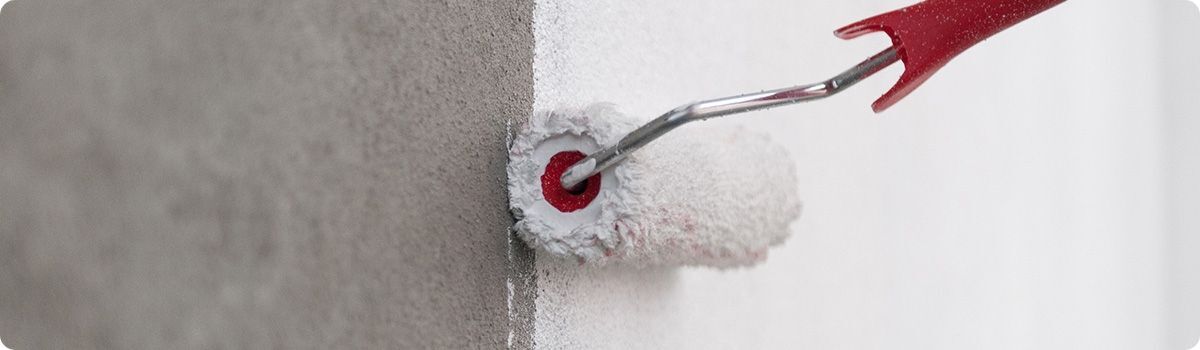
Anyone looking for a coating will quickly notice that “coating” is a broad term. In practice, there are many different types of coatings, each with its own properties, composition and application. That makes choosing the right system less straightforward than it may seem. A coating that performs perfectly on a façade is not automatically suitable for a concrete floor. And a system that works well on roof tiles may not be the right solution for flooring, metal, infrastructure or objects in public spaces.
This is exactly where mistakes are often made in practice. A coating is selected, but not necessarily the right coating. The result is reduced adhesion, faster wear or simply a coating that does not deliver the expected performance. That leads to unnecessary maintenance, additional costs and sometimes even damage to the substrate.
For professionals in maintenance, façade cleaning, real estate, construction and infrastructure, it is therefore important not only to know that a coating offers protection, but especially which type of coating is suitable for which surface and level of exposure. In this blog, we explain the main coating types as a practical guide for everyday applications.
Which types of coatings are there?
Coatings can be classified in different ways. Sometimes based on chemical composition, sometimes based on function. In practice, those functional differences are usually the most important. After all, the key question is what the coating does, which surfaces it is suitable for and in which situations it performs best.
Some coatings are mainly intended to protect surfaces against weathering and contamination. Others are specifically developed for heavy mechanical or chemical exposure. There are also systems designed to solve specific problems such as graffiti, posters, discoloration or fire resistance. In addition, certain coatings are primarily chosen for their visual improvement, for example restoring aged surfaces to a fresh and uniform appearance.
- acrylic coatings
- epoxy coatings
- polyurethane coatings
- floor coatings
- nano coatings
- anti-graffiti coatings
- anti-sticker coatings
- roof coatings
- ceramic coatings
- renovation coatings
- polyester coatings
- fire-resistant coatings
- powder coating
Acrylic coatings: a popular solution for façades and roofs
Acrylic coatings are among the most commonly used coating systems in maintenance and renovation projects. They combine flexibility, weather resistance and visual enhancement, making them highly suitable for outdoor applications.
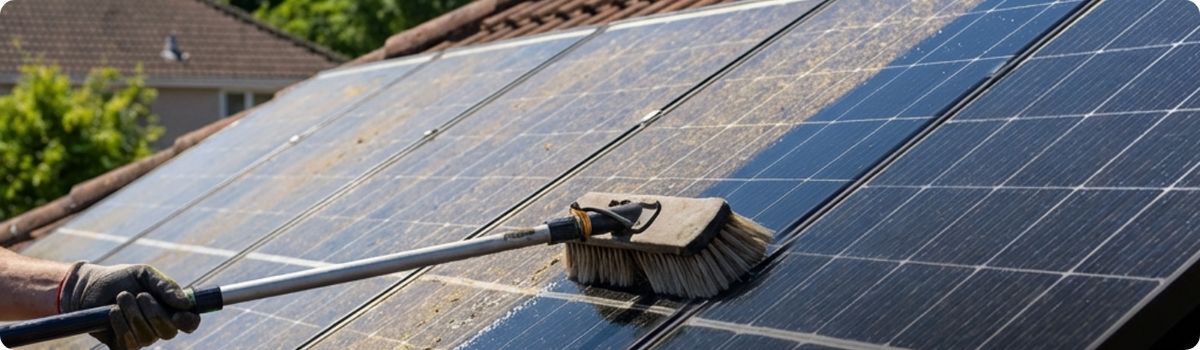
Acrylic coatings are widely used on façades and roof tiles. These surfaces must withstand rain, UV radiation, temperature fluctuations and contamination. At the same time, appearance also matters. A façade or roof should not only be protected but should also maintain a clean and professional look. This combination of protection and aesthetics is exactly where acrylic coatings excel.
- good weather resistance
- UV resistance
- flexibility
- suitable for mineral substrates
- colour restoration and aesthetic improvement
Epoxy coatings: when strength and chemical resistance are essential
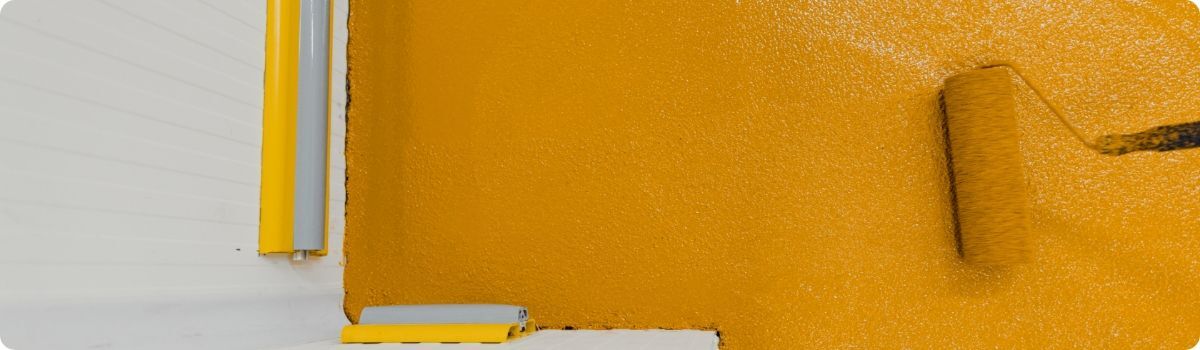
While acrylic coatings are often selected for outdoor surfaces, epoxy coatings are particularly strong in environments exposed to heavy loads. Epoxy is known for its high mechanical strength, strong adhesion and excellent chemical resistance. This makes it popular for floors, workshops, warehouses and industrial facilities.
The major advantage of epoxy is its hard, closed and wear-resistant surface. This is why epoxy systems are frequently used as floor coatings for concrete floors where durability and abrasion resistance are key.
- heavy mechanical loads
- chemical exposure
- industrial flooring and workshops
- surfaces where wear resistance is essential
Polyurethane coatings: strong yet more flexible
Polyurethane coatings are often mentioned alongside epoxy, but they have a different character. While epoxy is known for hardness and chemical resistance, polyurethane offers greater flexibility. This makes it ideal for surfaces subject to movement, tension or temperature fluctuations.
The combination of wear resistance and elasticity is exactly why polyurethane coatings are widely used on floors, parking garages and concrete structures.
Floor coatings: protection for heavily used concrete floors
Floors are often exposed to more stress than many other surfaces. In workshops, warehouses, parking garages and industrial environments, wear, moisture, contamination and chemicals continuously play a role. A good floor coating helps control that exposure and significantly extends the service life of the substrate.
Depending on the situation, different systems may be suitable. Epoxy floor coatings are often selected when high wear resistance and chemical resistance are required. Polyurethane coatings offer more flexibility for surfaces exposed to movement or temperature fluctuations.
Nano coatings: subtle protection without visible layer build-up
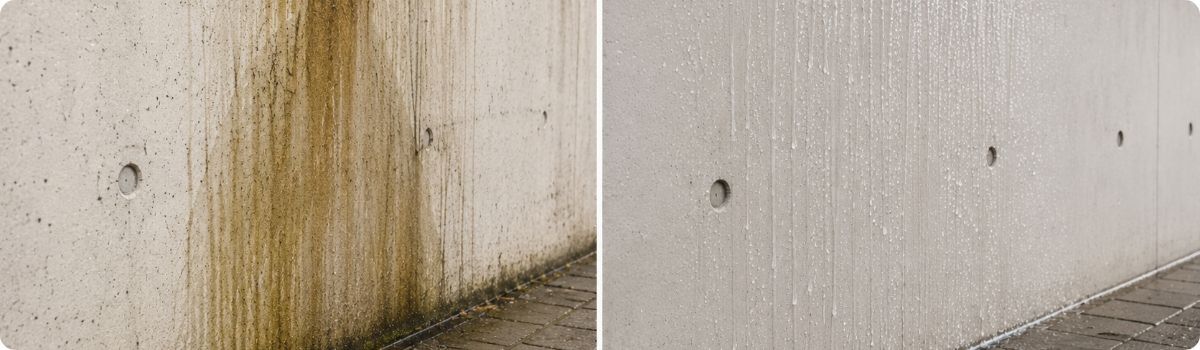
Nano coatings occupy a unique position within the coating spectrum. Instead of creating a visible film layer, nano coatings work on a microscopic level. As a result, the original appearance of the substrate remains almost unchanged while improving water and dirt repellency.
Depending on the substrate, nano coatings are available for glass, plastic, wood, stone and textiles.
Anti-graffiti coatings: less damage, easier cleaning
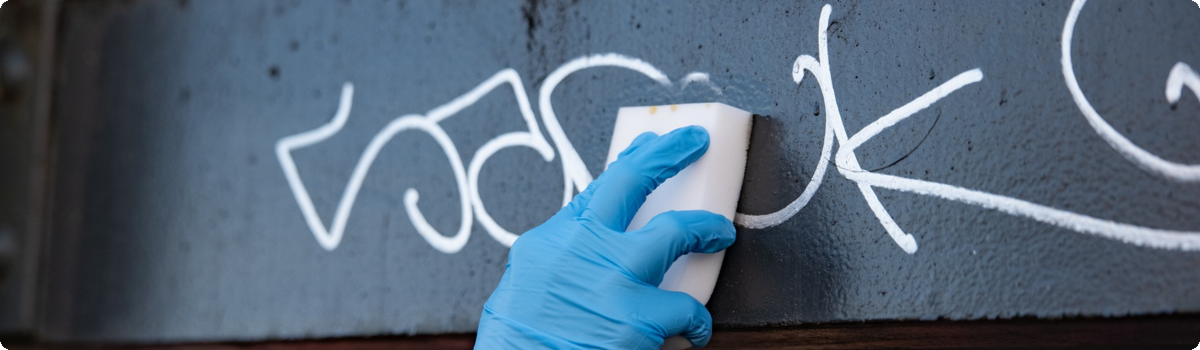
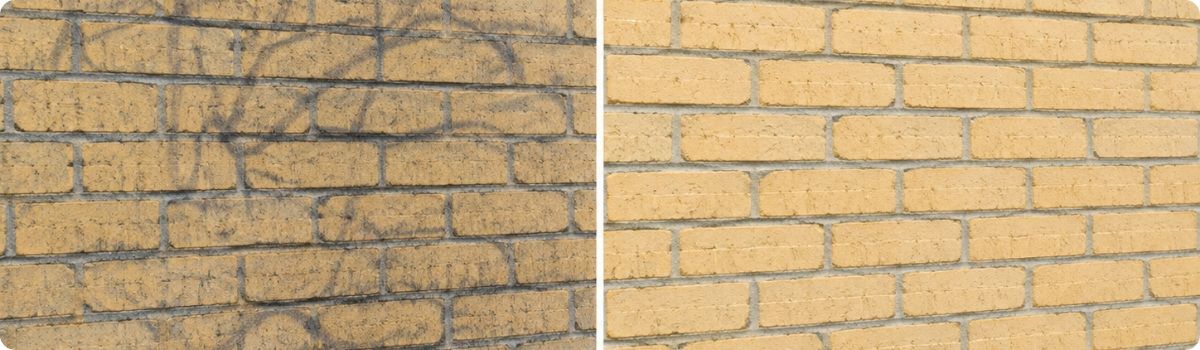
In public spaces, infrastructure and many real estate projects, graffiti is not an incidental issue but a recurring maintenance challenge. This is where anti-graffiti coatings become relevant.
An anti-graffiti coating prevents paint, marker and other contaminants from bonding strongly to the surface. This makes graffiti easier and faster to remove while reducing damage to the substrate.
Anti-sticker coatings: an effective solution against illegal posters and stickers
While graffiti often receives most attention, illegal posters and stickers can also create serious maintenance issues. Anti-sticker coatings reduce adhesion, making stickers easier to remove and minimizing damage to the substrate.
Roof coatings: protection under continuous weather exposure
Roof surfaces are constantly exposed to rain, UV radiation, frost and contamination. This is why roof coatings form a specific category within the coating industry.
Ceramic coatings: high-performance protection for demanding conditions
Ceramic coatings belong to the high-performance segment. They are mainly used in situations where long-term durability and high resistance are essential.
Depending on the application, systems such as Ceradur® Flex, Ceradur® Metal, Ceradur® AG and Ceradur® Natural Stone may be selected.
Renovation coatings: giving aged surfaces a second life
Not every worn-looking surface needs full replacement. That is exactly where renovation coatings become valuable. They restore appearance while simultaneously protecting against future contamination and weathering.
Which coating is suitable for which substrate?
- Façades: acrylic coatings, nano coatings, renovation coatings
- Concrete and floors: epoxy coatings, polyurethane coatings, floor coatings
- Roofs and roof tiles: acrylic coatings, roof coatings, renovation coatings
- Public spaces: anti-graffiti coatings, anti-sticker coatings
- Metal: polyester coatings, powder coating
- Structural fire protection: fire-resistant coatings
Which coatings fit within the Mavro range?
Mavro offers a broad range of practical coating solutions, including acrylic coatings, anti-graffiti coatings, anti-sticker coatings, roof coatings, floor coatings, nano coatings, ceramic coatings and renovation coatings.
How do you choose the right coating?
- What is the substrate?
- What kind of exposure is involved?
- What problem should the coating solve?
The best coating is not necessarily the heaviest or most expensive system, but the coating that best matches the practical situation.
Conclusion: there is no single best coating, only the right one
Anyone searching for coating types is essentially looking for an answer to a much more practical question: which coating is suitable for my surface and situation? There is no universal best coating. There is only a coating that technically and practically matches the substrate, the level of exposure and the desired result.
Need advice on the right coating?
Unsure which coating system is most suitable? Contact us via info@mavro-int.com or call us at +31 418 680 680