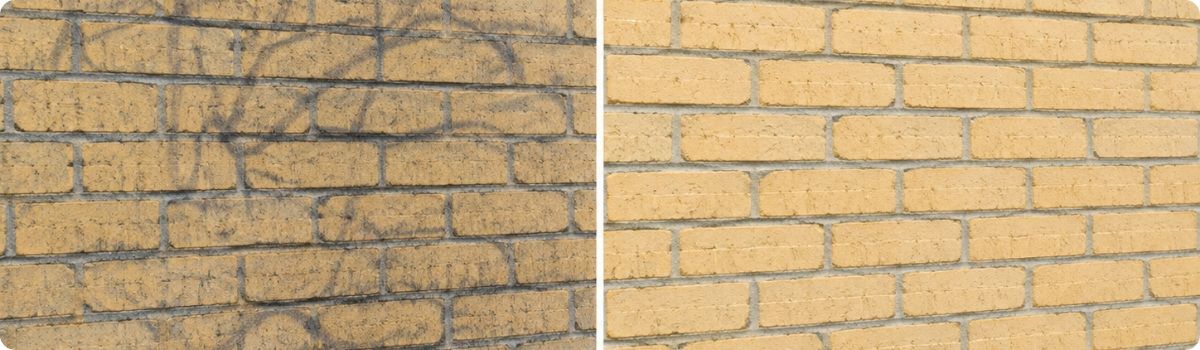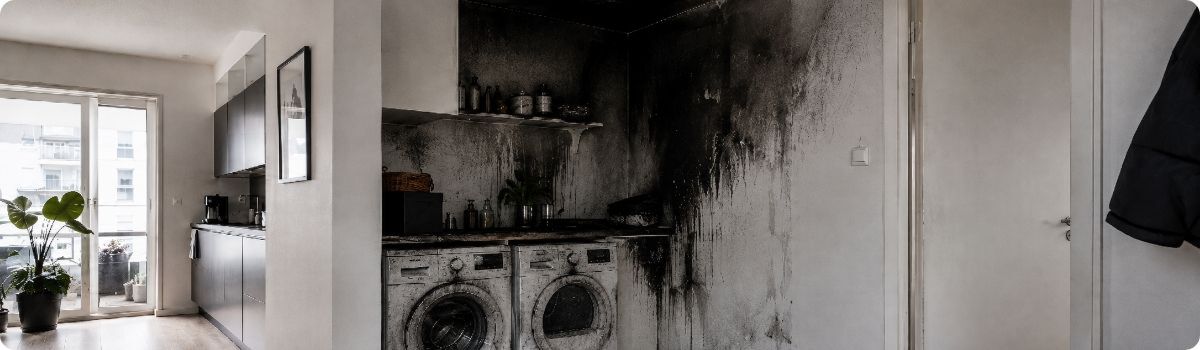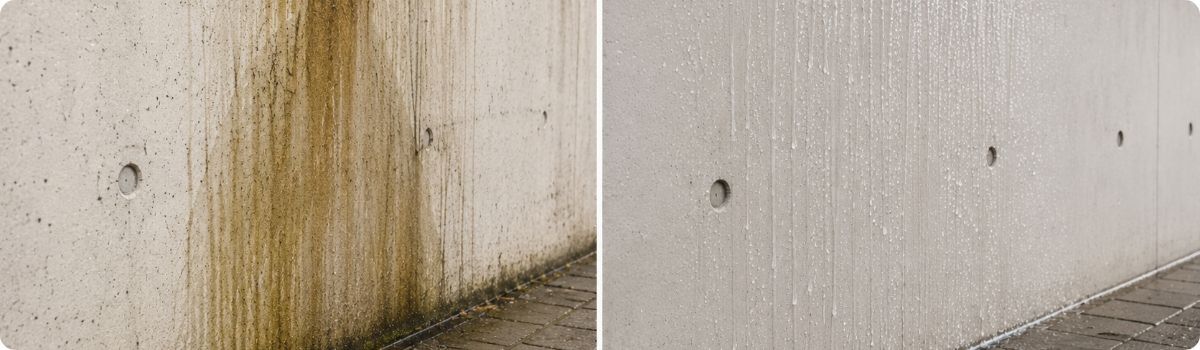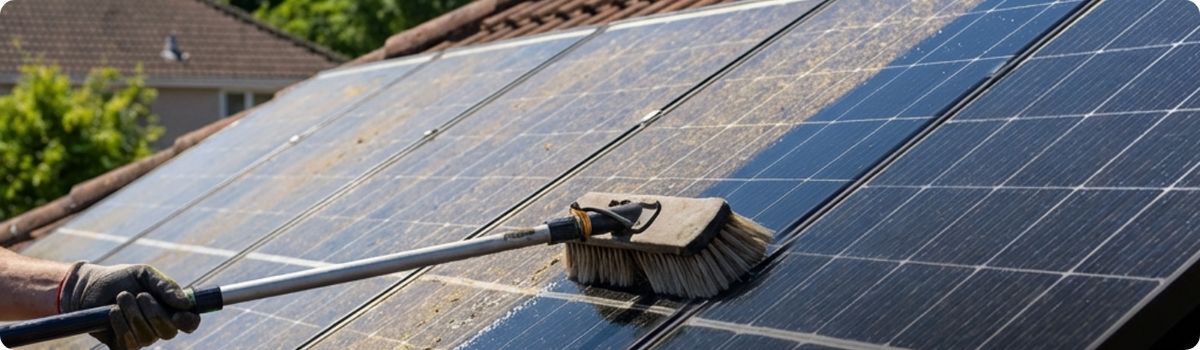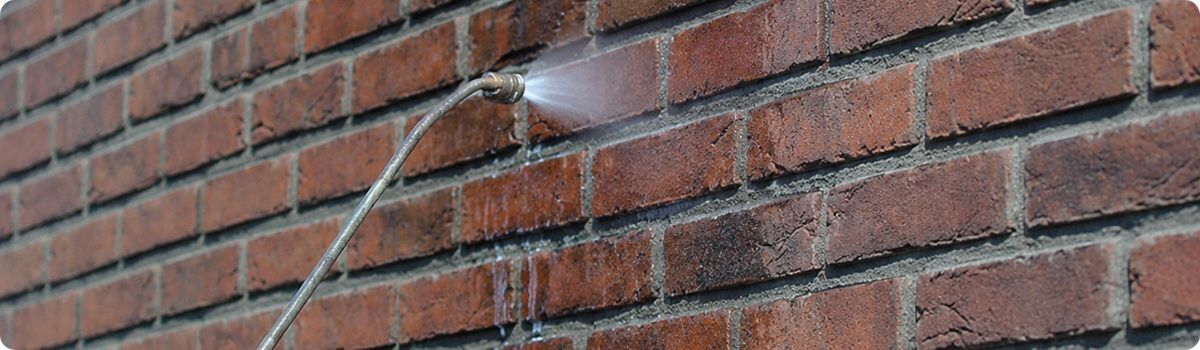
A well-cleaned facade is only truly finished after facade impregnation. Still, many professionals sometimes skip this step because of time pressure or cost considerations. That is understandable, but not always wise. Facade impregnation offers clear benefits for maintenance, service life and appearance.
For facade cleaning companies, property managers and municipalities, facade maintenance is not only about a clean result on the day of completion. It is also about protection, planning and cost control. A facade that remains untreated after cleaning can absorb moisture again. As a result, new contamination can develop more quickly.
In this blog, we give a clear answer to the question of when facade impregnation is really necessary. We also explain when cleaning alone may be sufficient.
What is facade impregnation?
Facade impregnation is also known as hydrophobic treatment. It involves treating a facade with a water-repellent and dirt-repellent product. This makes the facade water-repellent, without completely closing off the vapour permeability of the material.
In short: liquid water penetrates the surface less easily, while water vapour can still escape from the substrate. This is important for mineral building materials such as brick, concrete, mineral render and certain types of natural stone.
A good impregnation treatment helps prevent or reduce problems such as:
- Frost damage
- Moss growth and algae growth
- Salt efflorescence or lime haze
- Rapid recontamination
- Discolouration of the facade
- Penetrating damp in porous substrates
- Additional maintenance caused by stubborn dirt
Facade impregnation is therefore not a cosmetic treatment. It is a technical protective layer that is especially valuable when the substrate absorbs moisture.
Why moisture is so important in facade maintenance
Many facade problems start with moisture. Porous materials absorb rainwater through small openings in their structure. The longer a facade remains wet, the greater the risk of deposits, discolouration and superficial damage.
Moist facades attract dirt more quickly. Moss and algae also adhere more easily to surfaces that dry slowly. This is especially visible on facades in shaded areas, north-facing walls or buildings surrounded by vegetation.
Water in the pores can also expand during frost. Over time, this can contribute to damage to stone, joints or concrete. Salts can also move to the surface through moisture transport. This causes white deposits or staining.
By applying facade impregnation, you reduce the absorption of liquid water. The facade remains better protected against weather influences and dirt has less chance to adhere strongly.

When is facade impregnation really necessary?
There are several situations in which facade impregnation is not a luxury, but a sensible technical choice.
- Porous or moisture-sensitive substrates
- North-facing or shaded facades
- After facade cleaning
- Monuments and historic buildings
- Municipal or public buildings
- Properties with a long-term maintenance plan
- Facades that quickly become dirty again
Brick, calcium silicate brick, concrete and mineral render are naturally absorbent. Without protection, these materials can absorb moisture. This increases the risk of contamination and damage over time.
For this type of substrate, facade impregnation is often worthwhile, especially when the facade is exposed to rain, wind or prolonged moisture load.
Walls that receive little sunlight dry slowly. As a result, they stay wet for longer after rain or mist. This encourages green deposits, moss formation and dirt build-up.
For buildings with many shaded surfaces, facade impregnation can help keep the surface drier and easier to manage.
After thorough facade cleaning, the surface is clean, but often also more open. Dirt, algae and old deposits have been removed. This can temporarily make the substrate more vulnerable to new absorption of moisture and dirt.
Impregnating after facade cleaning helps maintain the result for longer. For professional facade cleaning companies, it is a logical next step within a complete maintenance recommendation.
Historic facades require careful handling. The character of the facade must be preserved, while moisture and contamination still need to be controlled.
For monuments, a test area is important. It must also be assessed in advance whether the stone, joints and existing finish are suitable for impregnation. If the substrate is suitable, hydrophobic treatment can help extend maintenance intervals without visibly changing the appearance.
Public buildings are often located in highly visible areas and are exposed to heavy use. Examples include schools, sports halls, parking facilities, underpasses and municipal buildings.
These facades are affected by weather influences, street dirt and sometimes vandalism. Impregnation helps reduce the impact of moisture and dirt. This makes maintenance easier to plan.
Property managers look at costs over several years. A facade that becomes dirty again quickly requires more frequent cleaning. This costs time, budget and organisation.
By combining facade cleaning with impregnation, maintenance can be better aligned with longer cycles. This makes facade management more predictable.
Some facades become grey or green again shortly after cleaning. This is often caused by a combination of porous material, moisture load and location.
In such cases, repeated cleaning alone is not always enough. The cause is often moisture absorption and slow drying. Facade impregnation addresses that problem more directly.
When is cleaning alone sufficient?
Facade impregnation is not always necessary. Sometimes cleaning is sufficient, for example when the facade absorbs little moisture or when the contamination is mainly superficial.
Cleaning alone may be sufficient for:
- Dense or hardly absorbent substrates
- Facades with an existing protective finish
- Lightly contaminated facades without moisture problems
- Situations where the facade is technically still well protected
- Substrates where a test area shows that impregnation adds little value
A simple water absorption test can help assess the situation. If water quickly penetrates the substrate, protection is often relevant. If water remains on the surface, the facade may already be sufficiently closed or previously treated.

When should you avoid facade impregnation?
There are also situations where facade impregnation is not advisable. Incorrect application can reduce the result or cause unwanted effects.
It is better not to impregnate:
- Substrates with an existing sealing coating
- If the facade has not been cleaned properly
- If the facade is still too wet
- In case of active leakage or structural defects
- Vapour-tight materials such as glazed brick or metal
- Natural stone without prior advice or a test area
- If joints, cracks or connections need to be repaired first
An impregnation product is not a solution for structural problems. Cracks, open joints and leaks must be repaired first. Only then can you assess whether facade impregnation is useful.
Not sure? We’ll be happy to help you via info@mavro-int.com, +31 418 680 680 or the chat.
The right preparation for a reliable result
A facade impregnation treatment depends heavily on proper preparation. The substrate must be clean, dry and technically suitable.
Good preparation consists of four steps.
- Inspect the substrate
- Choose the right cleaning method
- Allow the facade to dry sufficiently
- Create a test area
Look at the type of material, porosity, condition of the joints and any previous treatments. Also check for cracks, leaks or loose parts.
Not every facade requires the same approach. Green deposits, soot, lime haze, cement residues and atmospheric contamination each require a suitable cleaner and method.
A wet facade absorbs impregnation product less effectively. Sufficient drying time is therefore important for even penetration and reliable protection.
A test area shows how the substrate reacts. It allows you to assess absorption, colour appearance and the water-repellent effect. This is especially important for natural stone, historic facades and large projects.
Which products should you use?
At Mavro International, you will find facade impregnation products within the Mavroseal product line. This line has been developed for professional protection of porous facades, such as concrete, masonry, mineral render and natural stone.
Mavroseal WB is a water-based facade impregnation product. It is solvent-free and well suited to projects where application and environmental impact are important considerations. Stronger variants are also available within this line for situations where longer-lasting protection is required.
Mavroseal is also available as a solvent-based impregnation product. This variant can be suitable when a facade has already been impregnated in the past and therefore reacts partly water-repellent.
For vertical, rough or difficult-to-reach surfaces, a gel form can be practical. A gel stays better on the surface and can be applied in a controlled way with a brush or roller.
Mavroseal Fluor is intended for lightly porous materials and locations where there is a risk of stains caused by grease or food residues. Examples include shopping streets, entrances, terraces and stairwells.
Mavroseal Nano has been developed for extra protection against moisture and dirt. This solution offers high penetration into the substrate and can be interesting for facades with heavier exposure.
The right choice always depends on the substrate, moisture load, previous treatments and the desired maintenance cycle.
Practical advice for facade impregnation in projects
For facade cleaning companies, facade impregnation is an opportunity to deliver more value. You are not only selling a clean result, but also protection of that result.
For property managers, facade impregnation helps improve maintenance planning. Less rapid recontamination means more stability in the maintenance cycle and a more consistent facade appearance.
For municipalities, predictability is especially important. Public buildings need to remain representative and maintenance must be practically feasible. A protected facade helps organise cleaning and repair more effectively.
For larger projects, it is wise to record agreements about:
- Substrate type
- Cleaning method
- Drying time
- Product choice
- Test area
- Application method
- Expected maintenance interval
- Inspection after completion
This prevents misunderstandings and ensures that client and contractor work from the same technical principles.
Common mistakes in facade impregnation
A good treatment requires professional knowledge. In practice, problems usually arise due to poor preparation or a product choice that does not match the substrate.
Common mistakes include:
- Impregnating a dirty facade
- Treating too soon after cleaning
- Not creating a test area
- Treating a closed substrate
- Ignoring cracks and joint problems
- Using the same product on different substrates without checking suitability
- Applying too little product
- Working in unsuitable weather conditions
These mistakes can be prevented with proper inspection, product advice and a clear working method.
Facade impregnation pays off in the long term
Facade impregnation is an investment in protection, easier maintenance and value retention. Especially in the professional management of property, schools, government buildings, commercial premises and homes, impregnation can help support the service life of facades.
Cleaning creates a clean result. Impregnation helps preserve that result for longer. Especially on porous substrates, shaded facades, recently cleaned facades and public buildings, hydrophobic treatment is often a sensible next step.
The best approach always starts with inspection. Look at the substrate, moisture load and technical condition of the facade. Then choose the right product and work with a test area. This turns facade maintenance into a well-considered and sustainable choice for the long term.
Not sure which product you need? We’ll be happy to advise you via info@mavro-int.com or +31 418 680 680.