A fabric convertible roof is continually exposed to rain, road dirt, dust, bird droppings and changing weather. A suitable treatment makes the outer fabric water repellent and reduces dirt adhesion. This helps the roof stay clean for longer and makes routine maintenance easier.
Professional soft top waterproofing starts with a careful material check. Convertible roofs do not all have the same construction and one care product is not suitable for every surface. Always check the vehicle manufacturer’s instructions and confirm that the outer fabric is clean, dry and sufficiently absorbent.
When should a fabric convertible roof be treated? How should the material be prepared? And how can a textile impregnation treatment be applied evenly? This guide explains how to treat a suitable fabric soft top professionally with Nitoguard® Textile.
Why protect a fabric convertible roof?
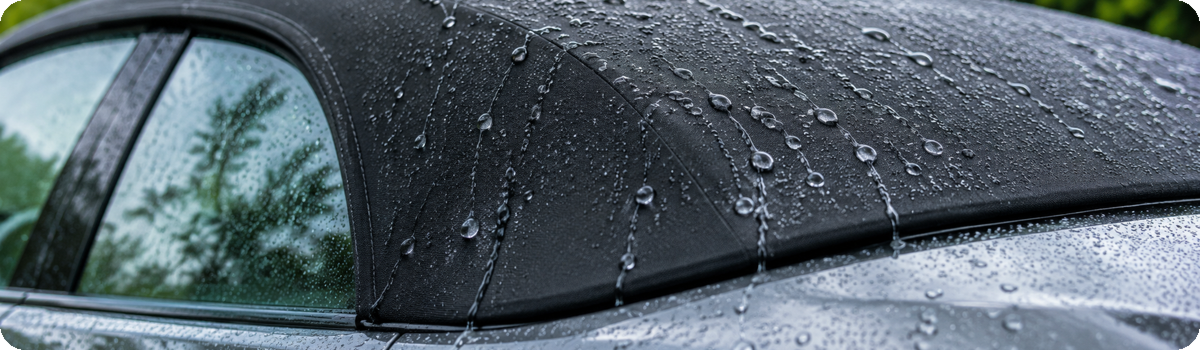
A textile impregnation treatment causes water to be repelled instead of soaking readily into the fibres of the outer fabric. After correct application, droplets form on the surface and roll away more easily. This beading effect provides a visible indication of the water repellent performance.
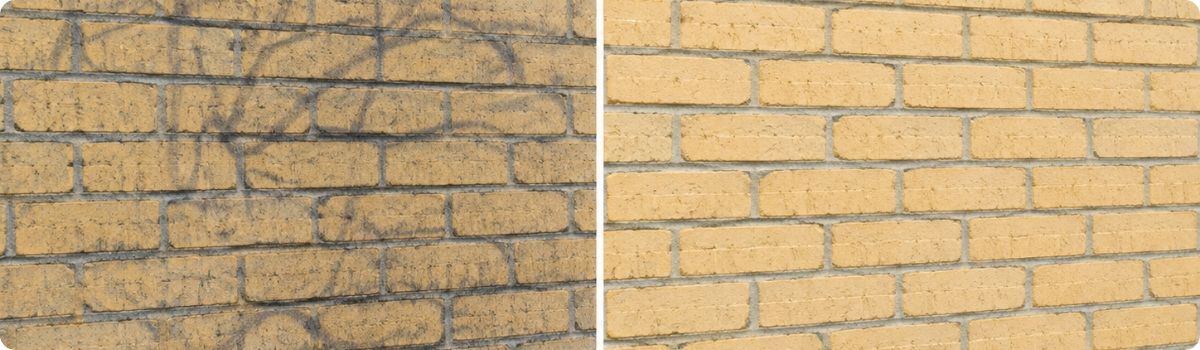
The treatment also reduces dirt adhesion. Contamination gains less grip on the fibres, so regular cleaning can require less effort. This is useful for convertible roof specialists, detailing companies and maintenance contractors that need a consistent and explainable result.
Treating the outer fabric does not repair a damaged roof. It cannot restore a porous inner layer, loose stitching, worn seals or mechanical damage. A leaking soft top must therefore be inspected before any protective treatment is applied. The purpose is to make suitable outer fabric water repellent and dirt repellent.
Water repellent is not the same as waterproof
The words water repellent and waterproof are often used as if they mean the same thing. They describe different functions. The roof construction and its separate material layers work together to prevent water entering the vehicle. A fabric protection treatment mainly supports the performance of the outer textile layer.
Water repellent fabric absorbs water less readily. The outer layer therefore stays wet for less time and dirt is less likely to adhere. This does not mean that a damaged convertible roof becomes waterproof after treatment. Leaks around seams, seals or damaged layers require repair or replacement.
Check whether the convertible roof is fabric
Convertible roofs can have a fabric or vinyl outer surface. Vinyl usually feels smoother and denser. A fabric soft top has a recognisable fibre structure. Do not apply a textile treatment to an unidentified surface. Check the vehicle handbook or contact the roof manufacturer when the material is uncertain.
Inspect the condition of the roof. Look for abrasion, loose stitching, tears, damaged edges, colour changes and evidence of previous treatments. On an unfamiliar or previously treated fabric, test a small and inconspicuous area first. This allows you to assess absorption, appearance and the final result before treating the complete roof.
An absorbent outer fabric takes up the product evenly. If liquid remains on top of an existing protective layer, a new application may dry unevenly. Residues of cleaners, wax, silicone or other care products can also affect absorption.
Can a new soft top be treated immediately?
A new fabric convertible roof can receive preventive protection when the material is suitable, clean, dry and absorbent. There is no need to wait until the roof is visibly dirty or its water repellent properties have declined.
First determine whether the manufacturer has already applied a protective treatment. Follow the maintenance instructions and warranty conditions for the vehicle and roof. An existing factory finish can influence the absorption of another product. A small test application provides useful information when there is any doubt.
Preventive treatment can be valuable when the vehicle is frequently parked outside or used intensively. Protection makes maintenance easier, but it does not replace periodic cleaning and inspection.
Preparing a convertible roof for treatment
Preparation has a direct influence on how evenly the treatment is absorbed. Allow enough time for inspection, cleaning and drying. Never apply a new layer over visible contamination or residues of another maintenance product.
Remove loose contamination
Carefully remove dust, sand and loose dirt with a vacuum fitted with a soft brush or with a suitable soft brush. Do not apply heavy pressure. Abrasive particles can be worked deeper into the material during wet cleaning.
Clean the roof carefully
Clean only when necessary and use a method approved for the specific convertible roof. Avoid household cleaners, stiff brushes and abrasive materials. Do not aim a pressure washer at the fabric, seams or seals. High water pressure can place unnecessary stress on the roof construction and sealing components.
Remove all cleaning product in accordance with its instructions. Remaining cleaner can interfere with absorption and bonding. Treat green growth, bird droppings and local staining in a controlled way. Test each cleaning method for material compatibility before working on the complete roof.
Allow the fabric to dry completely
The soft top must dry fully before treatment. Moisture in the fibres prevents even absorption. Do not fold a damp roof. Choose a dry and well ventilated workplace or a suitable period of stable weather.
Protect adjacent surfaces
Cover glass, paint, rubber and plastic around the convertible roof. This limits spray mist on adjacent surfaces. Close the windows and doors, and work carefully around edges, seams and the rear window.

How to apply Nitoguard® Textile to a fabric soft top
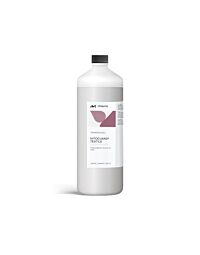
Nitoguard® Textile is a professional water based impregnation treatment for suitable natural and synthetic fabrics. It contains modified polysiloxanes and is 100 percent PFAS free. The invisible protection preserves the original texture and appearance of the material.
- Check the material and the manufacturer’s care instructions. Treat only a suitable, absorbent textile outer layer.
- Ensure that the roof is completely clean and dry. Remove residues of cleaners and previous maintenance products.
- Cover adjacent surfaces and provide sufficient ventilation. Wear suitable gloves, safety glasses and appropriate respiratory protection during spray application.
- Apply Nitoguard® Textile evenly by spraying. Distribute the product with a sponge or soft brush and work it carefully into the fibres.
- Apply one saturating coat. Avoid local build up, dry strips and untreated edges.
- Assess absorption. A second application can be required within 30 minutes on highly absorbent materials.
- Allow the roof to air dry completely. Preferably protect the treated surface from rain for 24 hours.
Do not apply the product in direct sunlight. Direct sun and a high surface temperature can affect application and drying. Work calmly and systematically from one end of the roof to the other to achieve an even distribution.
The theoretical coverage is 6 to 12 square metres per litre. Actual consumption depends on the structure and absorbency of the fabric. Use this figure for planning, then assess how much product the specific material takes up evenly during application.
Working safely during spray application
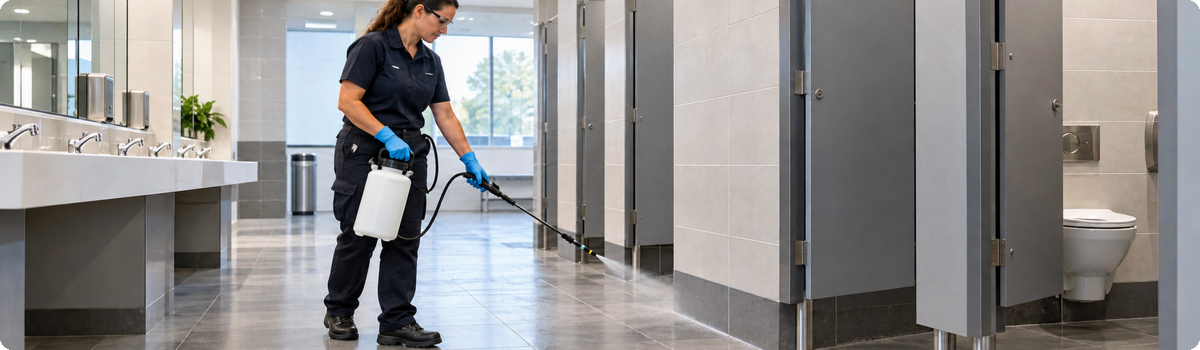
Professional use requires a properly prepared workplace. Avoid skin and eye contact. Wear suitable gloves and safety glasses. Prevent inhalation of aerosols during spraying. Use suitable respiratory protection and ensure adequate ventilation.
Read the current technical data sheet and safety data sheet before use. These documents contain the applicable instructions for application, personal protection, storage and safe handling. Store the product in its original closed container in a cool, frost free and ventilated place.
Keep the vehicle in a clean environment while the treatment dries. Leave the roof closed and touch the treated fabric as little as possible. Do not expose the surface to rain until the recommended protection period has passed.
Common mistakes during soft top waterproofing
- Treating a vinyl roof as fabric. Always identify the material first.
- Applying the product over dirt, cleaner residue or damp fabric. This can cause uneven absorption.
- Working in direct sunlight. Choose dry conditions without direct sun on the surface.
- Spraying too locally. Distribute the product evenly and work it into the fibres.
- Applying a second coat too late. On highly absorbent fabric, the product sheet specifies application within 30 minutes.
- Exposing the roof to rain too soon. Preferably protect the treated material for 24 hours.
- Presenting treatment as a repair for a leaking roof. Structural defects require separate assessment.
- Cleaning with detergents without checking the protection afterwards. Intensive cleaning can make a new treatment necessary.
How long will the roof remain water repellent?
Service life depends on the fabric, its absorbency, weather exposure, vehicle use and cleaning method. A car that remains outdoors every day faces a different level of exposure from a convertible stored in a dry garage. A fixed maintenance interval is therefore not appropriate for every roof.
Check the performance regularly with clean water. If clear droplets form and roll off the surface, the beading effect remains visible. If water begins to enter the outer fabric more quickly or dirt adheres more readily, a new treatment may be required.
Nitoguard® Textile is not resistant to washing or cleaning agents. Always check the protection after intensive cleaning. Apply a fresh treatment only after the fabric is again completely clean, dry and absorbent.
Maintenance after treatment
Good maintenance begins with timely removal of loose dirt and local contamination. Do not leave bird droppings, tree resin or organic growth on the roof unnecessarily. Use a method and cleaner that are compatible with the material and the vehicle manufacturer’s instructions.
Avoid hard brushes, abrasive materials and high water pressure. Do not fold the roof while it is wet. After cleaning, allow it to dry completely and check the beading effect. This combines cleaning, inspection and protection in one practical routine.
For professional work, record the material assessed, the preparation completed and the application date. Note existing wear or unusual absorption. This information supports the next maintenance visit and helps explain the treatment to the customer.
Frequently asked questions about fabric convertible roof protection
Can Nitoguard® Textile be used on every convertible roof?
No. The product is intended for suitable natural and synthetic fabrics. Confirm that the roof has an absorbent textile outer layer. Do not treat an unidentified material without checking it first and testing an inconspicuous area.
Does the treatment change the colour or texture?
Nitoguard® Textile provides invisible protection without changing the original appearance or texture according to the current product information. Material differences, contamination and previous treatments can influence the result, so a test application remains advisable.
Can the product repair a leaking soft top?
No. It makes suitable outer fabric water repellent. It does not repair damaged seams, seals, inner layers or the roof mechanism. Identify and repair the cause of a leak first.
Does the roof always need cleaning before treatment?
The surface must be clean, dry and absorbent. Intensive cleaning is not automatically necessary when a new or well maintained roof is demonstrably clean. Visible dirt, old product residue and local contamination must be removed carefully.
When can a second coat be applied?
Highly absorbent materials can require a second application. Apply it within 30 minutes in accordance with the current technical data sheet. More product is not automatically better. The objective is even saturation of suitable fabric.
When can the roof get wet again?
Allow the treated fabric to air dry completely. Preferably protect the roof from rain for 24 hours. Actual drying time depends on temperature, ventilation and the treated material.
Choose a suitable textile impregnation treatment
A professional product must match the material, application and required maintenance result. Even absorption, an invisible finish and clear application information are important for fabric convertible roofs. Always check the technical data sheet and the roof manufacturer’s instructions.
Nitoguard® Textile is a 100 percent PFAS free, water based treatment for natural and synthetic fabrics. It makes suitable textiles water repellent and dirt repellent without changing their original texture. The product dries at room temperature and can be applied by spraying or dipping.
For professional soft top waterproofing, begin with material identification and the relevant maintenance instructions. Clean and dry the roof carefully. Apply the product evenly and allow sufficient drying time. This creates a controlled treatment based on inspection, careful application and appropriate aftercare.